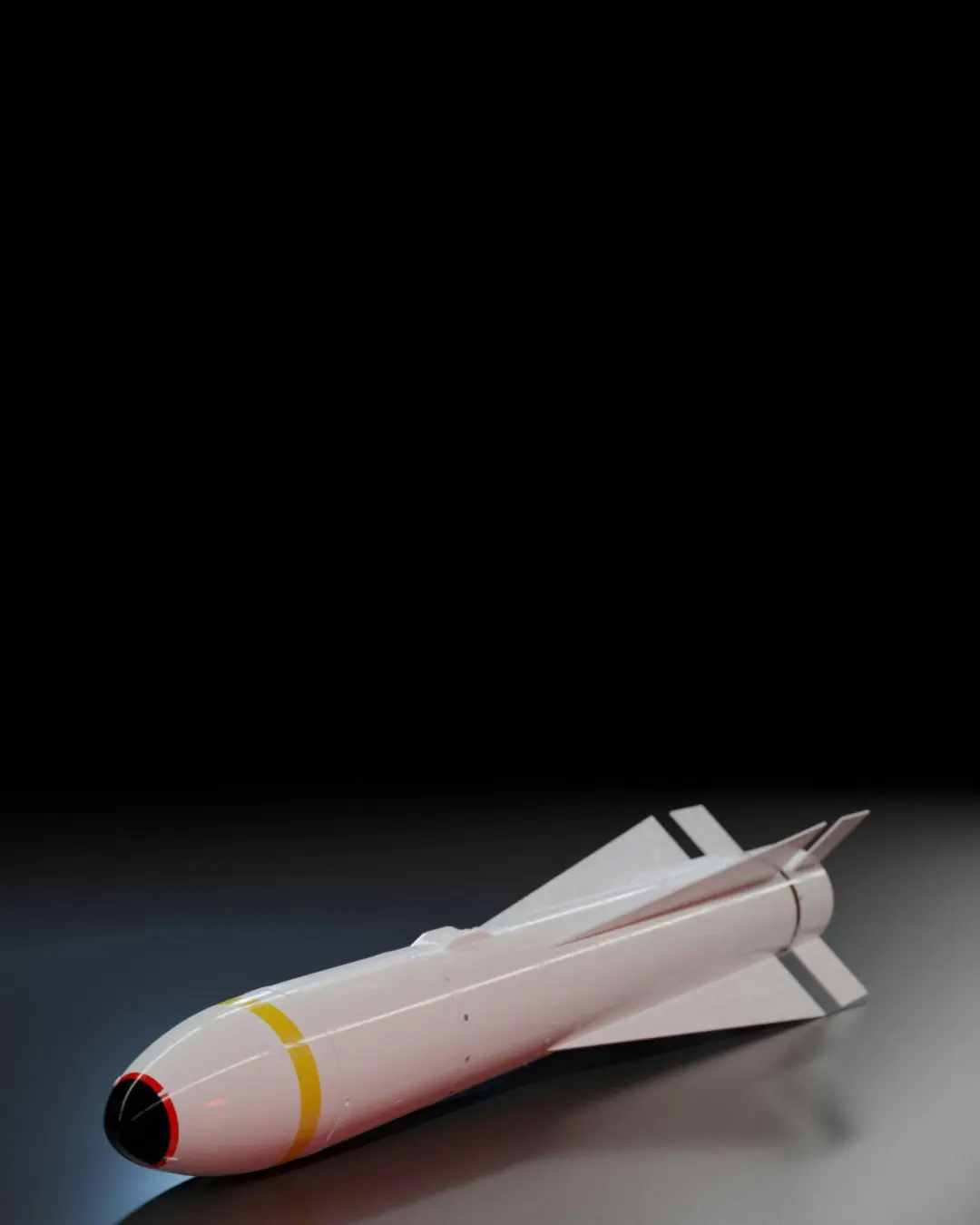
SWIR Intelligence for Missile-Related Damage Assessment
Post-event battle damage assessment for urban, industrial, and hardened-infrastructure environments — when smoke, dust, and debris saturate the air and every minute compounds risk.
Why optical imagery fails the critical decision window
Following missile launches or kinetic strikes, smoke, dust, and debris frequently obscure target areas — delaying reliable damage assessment when commanders need confirmation fastest.
Three failures of visible-spectrum BDA
Post-strike environments are saturated with airborne debris that can persist for hours, blocking line-of-sight for visible-spectrum sensors. The delays compound — slowing follow-on actions, force protection, and escalation management.
Post-strike environments are saturated with airborne debris that can persist for hours, blocking line-of-sight for visible-spectrum sensors.
Reduced contrast and visual noise limit confident interpretation precisely when decisions must be made fastest.
Without rapid confirmation, commanders face higher risk when reallocating limited ISR and strike resources — and slow BDA delays re-attack decisions and escalation management.
Rapid assessment when optical systems degrade
Short-Wave Infrared sensing penetrates residual smoke, haze, and dust to deliver actionable indicators of infrastructure condition even when visible imagery is fully degraded.
SWIR sees through atmospheric obscurants that persist for hours after a strike, restoring the early-window assessment capability.
Material reflectance contrast separates intact buildings from compromised ones, enabling confident structural assessment within minutes.
Material and moisture changes linked to blast, fire, or launch activity show up clearly in SWIR — providing forensic-quality post-event intelligence.
Faster BDA, faster decisions
SWIR-enabled post-event intelligence accelerates battle damage assessment, supports faster operational re-tasking, and improves decision-making in high-tempo strike scenarios.
Confirm structural condition within the critical early decision window — even when smoke and debris fully degrade optical imagery.
Rapid confirmation of effects reduces risk when reallocating ISR and air/missile defence assets in compressed decision timelines.
Material and moisture changes linked to blast, fire, or launch activity are detected clearly in SWIR — even through residual obscurants.
Speed up your post-strike decision cycle
Contact us to learn how SWIR-enabled post-event intelligence can accelerate your battle damage assessment and operational re-tasking.